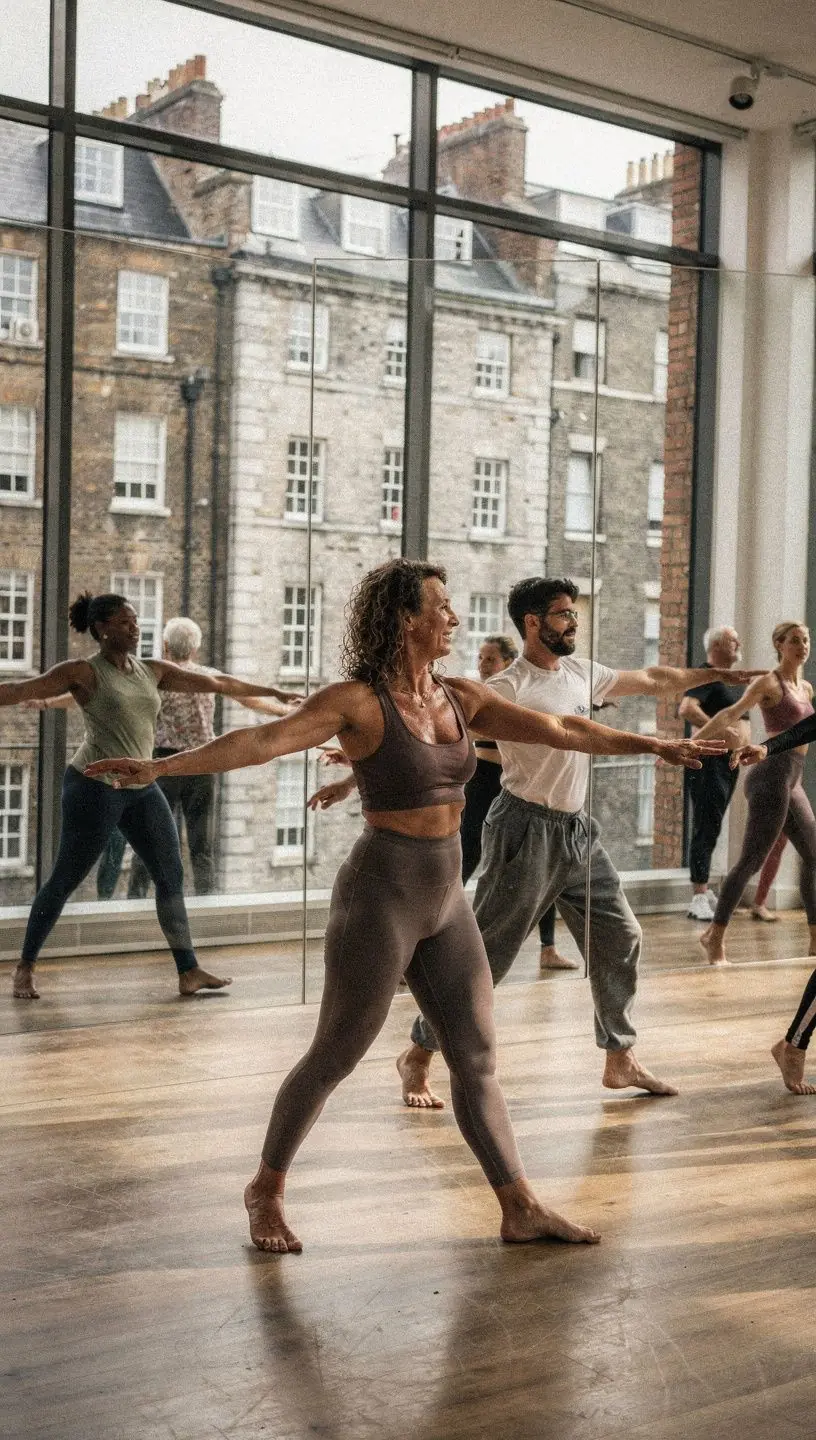
How Technology Enhances Offline Dance Events
As the world continues to embrace digital innovations, the realm of offline dance events is also experiencing transformative changes. Technology not only complements these gatherings but also enhances the overall experience for participants. In this article, we explore how strategic use of technology can elevate offline dance events, providing insights and practical applications.
Understanding the Role of Technology in Dance Events
Technology plays a vital role in various aspects of offline dance events, from planning and promotion to participant engagement and feedback collection. According to industry research, events that integrate technology effectively can see an increase in attendance and participant satisfaction. This is largely due to improved communication and streamlined processes.

"Events that leverage technology often report higher engagement levels and a more connected experience among attendees."
Tools and Applications Shaping Dance Events
Here are several ways technology is utilized in the dance community:
- Event Management Software: Tools like Eventbrite and Meetup provide organizers with the ability to manage registrations, track attendance, and promote events effectively. Many users report that these platforms simplify event logistics, which can lead to increased participation.
- Social Media Integration: Utilizing platforms such as Instagram and Facebook allows organizers to create buzz around events, share updates, and engage with potential attendees. Studies show that social media promotion can increase event visibility by up to 50%.
- Online Feedback Tools: Using surveys and feedback applications post-event can provide valuable insights. Experts recommend tools like SurveyMonkey or Google Forms to gather participant feedback, which can help improve future events.
Enhancing Participant Experience
Incorporating technology into offline dance events can greatly enhance the participant experience. Here’s how:
- Interactive Elements: Implementing live polling or dance challenges through mobile apps can engage attendees in real-time, making the event more enjoyable.
- Virtual Components: Offering live streams or recorded sessions can allow those who are unable to attend in person to participate remotely, thus expanding your audience.
- Networking Opportunities: Apps designed specifically for events can facilitate networking among attendees, allowing dancers to connect and collaborate. Many users report feeling more connected when they can engage digitally before and after the event.
Acknowledging Limitations
While technology can significantly enhance offline dance events, it’s important to acknowledge its limitations. Implementing new tools often requires a learning curve, and organizers must allocate time to train staff and participants on how to use these technologies effectively. Additionally, some attendees may prefer a more traditional experience, so it’s crucial to strike a balance that caters to all preferences.
Conclusion
In conclusion, integrating technology into offline dance events can yield numerous benefits, including improved organization, enhanced participant engagement, and expanded reach. By leveraging the right tools, event organizers can create memorable experiences that resonate with attendees. However, it is essential to remain aware of the time and effort required to implement these technologies effectively. With careful planning and execution, the synergy between technology and dance can lead to dynamic and successful events.