Navigating Second Life Stage Development Hubs
In the dynamic world of Second Life, stage development hubs provide unique opportunities for artists and performers to thrive. However, navigating these platforms effectively requires understanding their structure and maximizing available resources. This article explores how these hubs operate, what to expect, and how to engage successfully.
Understanding the Structure of Development Hubs
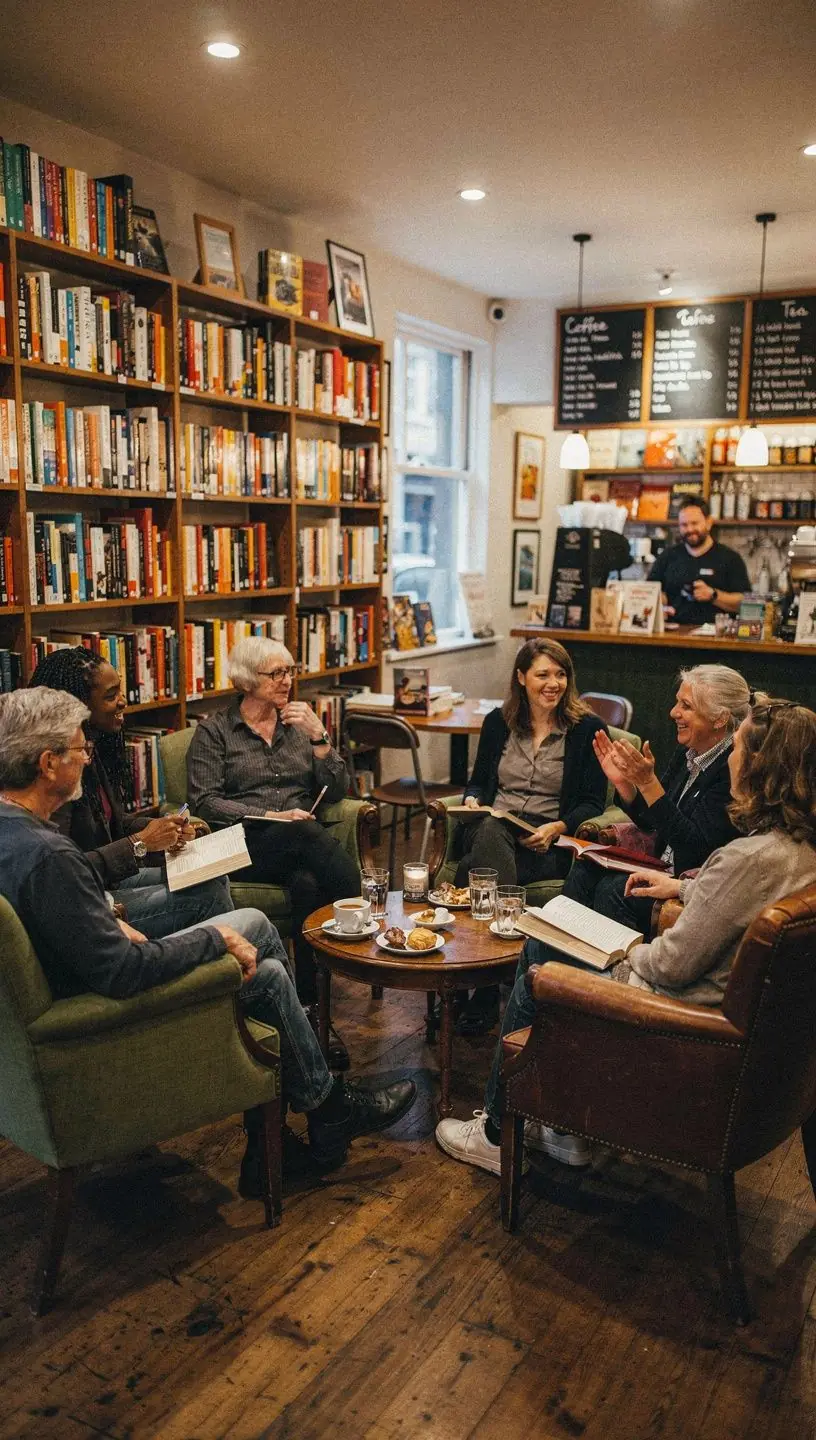
Second Life stage development hubs are typically organized into various zones, each serving distinct purposes such as rehearsal spaces, performance venues, and community gathering areas. According to industry experts, these hubs foster collaborative environments where creativity can flourish. Participants can often find workshops, structured coaching sessions, and casual networking events that encourage artistic growth.
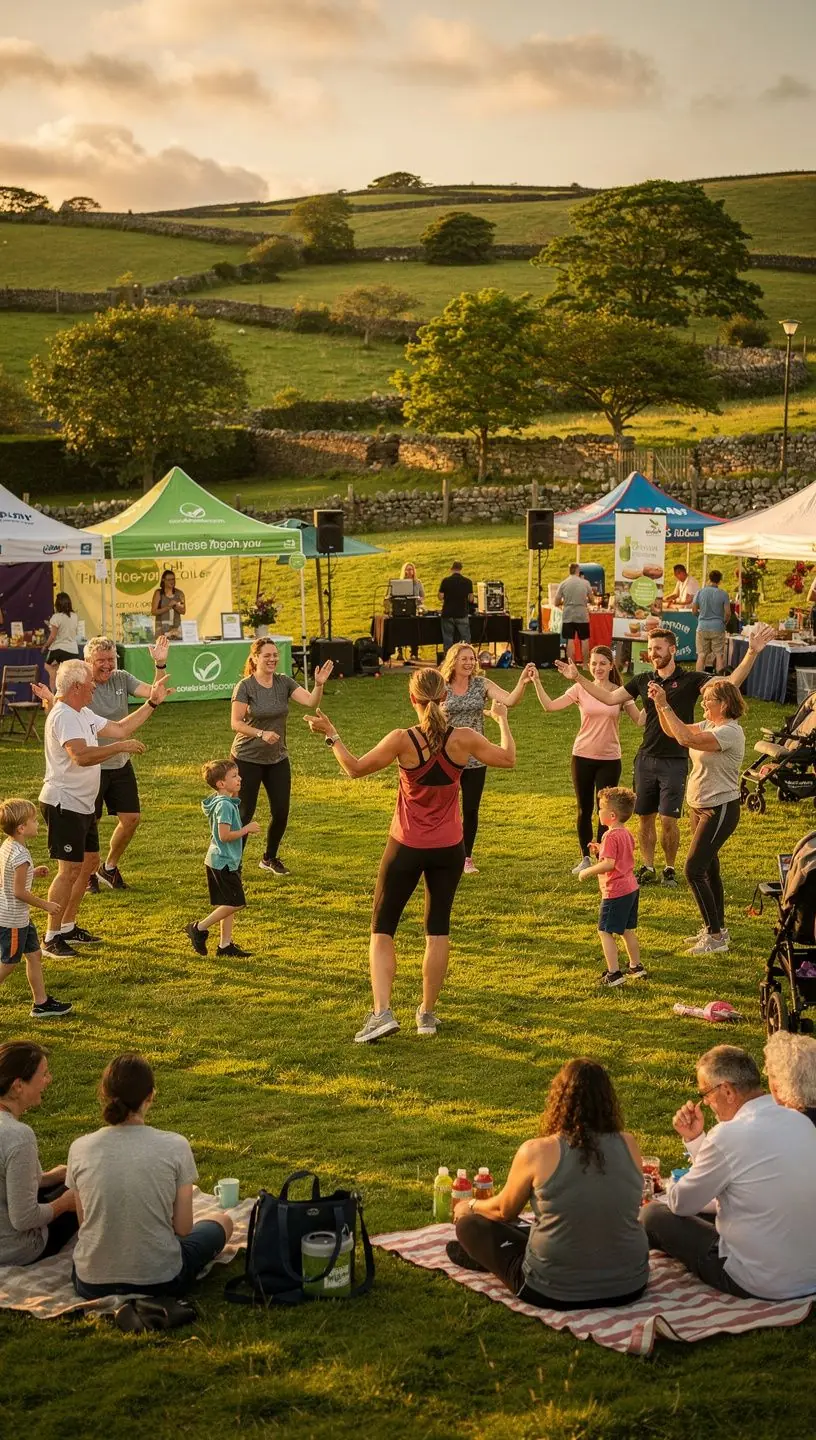
"Engagement in these spaces significantly enhances networking opportunities and can lead to collaborations that might not occur otherwise."
The Importance of Structured Coaching
Structured coaching plays a pivotal role in optimizing the experience within development hubs. Many users report that these coaching sessions, often led by experienced mentors, help refine their skills and enhance performance capabilities. Research indicates that individuals who participate in regular coaching can see improvements in their craft, sometimes by as much as 25%, depending on dedication and practice.
Coaching Methodologies
Several coaching methodologies are employed within these hubs, including:
- One-on-One Sessions: Tailored feedback and personalized guidance can help address specific challenges.
- Group Workshops: Collaborative learning fosters community and allows participants to share insights and techniques.
- Performance Reviews: Regular evaluations provide constructive criticism necessary for growth.
Offline Dance-Based Social Networking Events
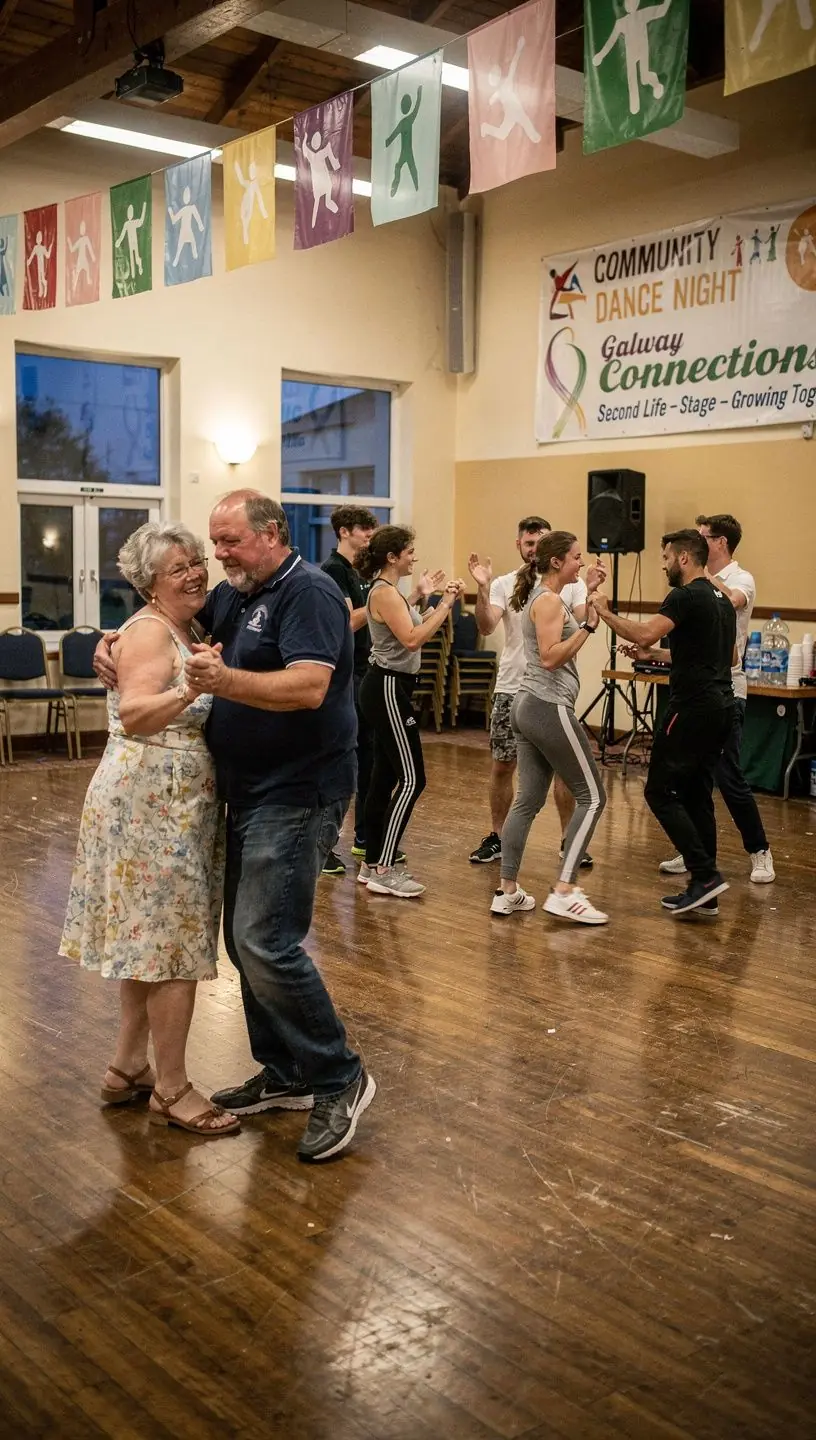
Many hubs also host offline events, such as dance-based social gatherings that serve as an excellent platform for building connections. These events typically require advance planning and can take significant time commitment, often lasting several hours. While they may not be suitable for everyone, participants often find that these gatherings provide valuable networking opportunities and enhance community ties.
Benefits of Offline Events
Participating in offline events can:
- Help solidify relationships that began online, fostering trust and collaboration.
- Enhance visibility within the arts community, which can lead to performance opportunities.
- Encourage skill sharing and learning in a more interactive, personal environment.
Setting Realistic Expectations
While engaging with Second Life stage development hubs can lead to significant growth, it’s essential to set realistic expectations. Results from structured coaching generally appear within 3-6 months, while building a network through offline events may take more time and persistence. It's crucial to acknowledge that success often requires consistent effort and participation.
Conclusion
Navigating Second Life stage development hubs can be a rewarding experience when approached with a clear understanding of their structure and available resources. By participating in structured coaching and engaging in offline networking events, artists can leverage these platforms to enhance their skills and expand their professional networks. Remember, the journey to artistic growth in Second Life is often gradual, but with dedication and the right strategies, you can effectively navigate these creative spaces.