Exploring the Benefits of Dance-Based Social Networking
Dance-based social networking events not only foster creativity and joy but also contribute to personal and professional development. In this article, we delve into the multifaceted benefits of engaging in dance-focused community activities and structured coaching.
Understanding the Basics of Dance-Based Networking
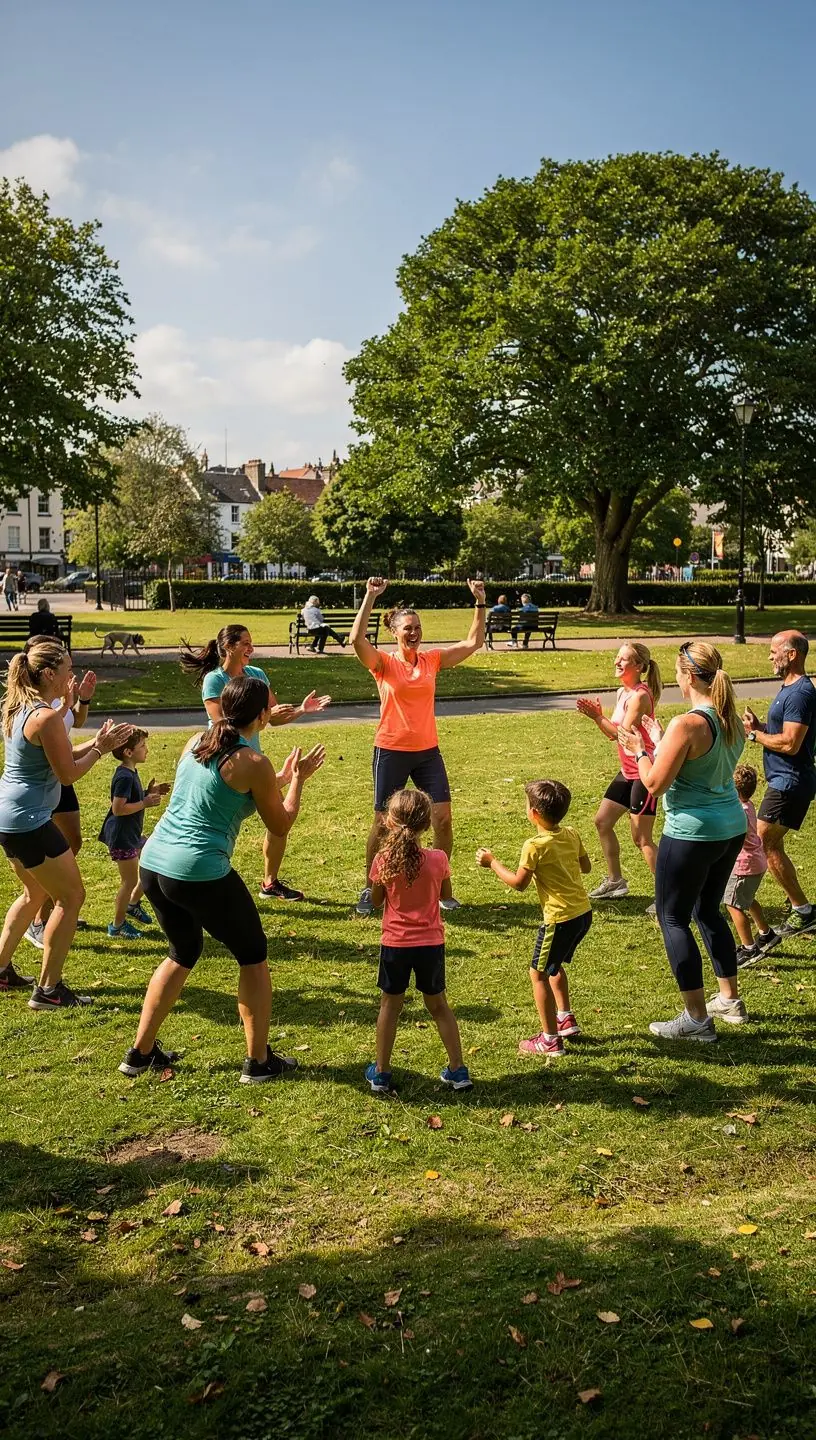
Dance-based social networking typically combines physical movement with social interaction, offering a unique platform for participants to connect. According to research, physical activity, including dance, is correlated with improved mental health outcomes. Regular engagement in such activities can enhance mood and reduce stress, making them effective means for building community.

"Dance is a physical expression that can enhance emotional well-being and foster connections among participants." - Dance Therapy Journal
How Dance Enhances Social Networking
Participating in dance-based events can improve social skills and expand one's professional network. Here’s how:
- Physical Engagement: Studies indicate that engaging in physical activities like dance can lead to a release of endorphins, often referred to as "feel-good" hormones. This can create a more vibrant and enjoyable social atmosphere.
- Community Building: Many users report that dance events create a sense of belonging. This is particularly important in local communities where individuals seek meaningful connections.
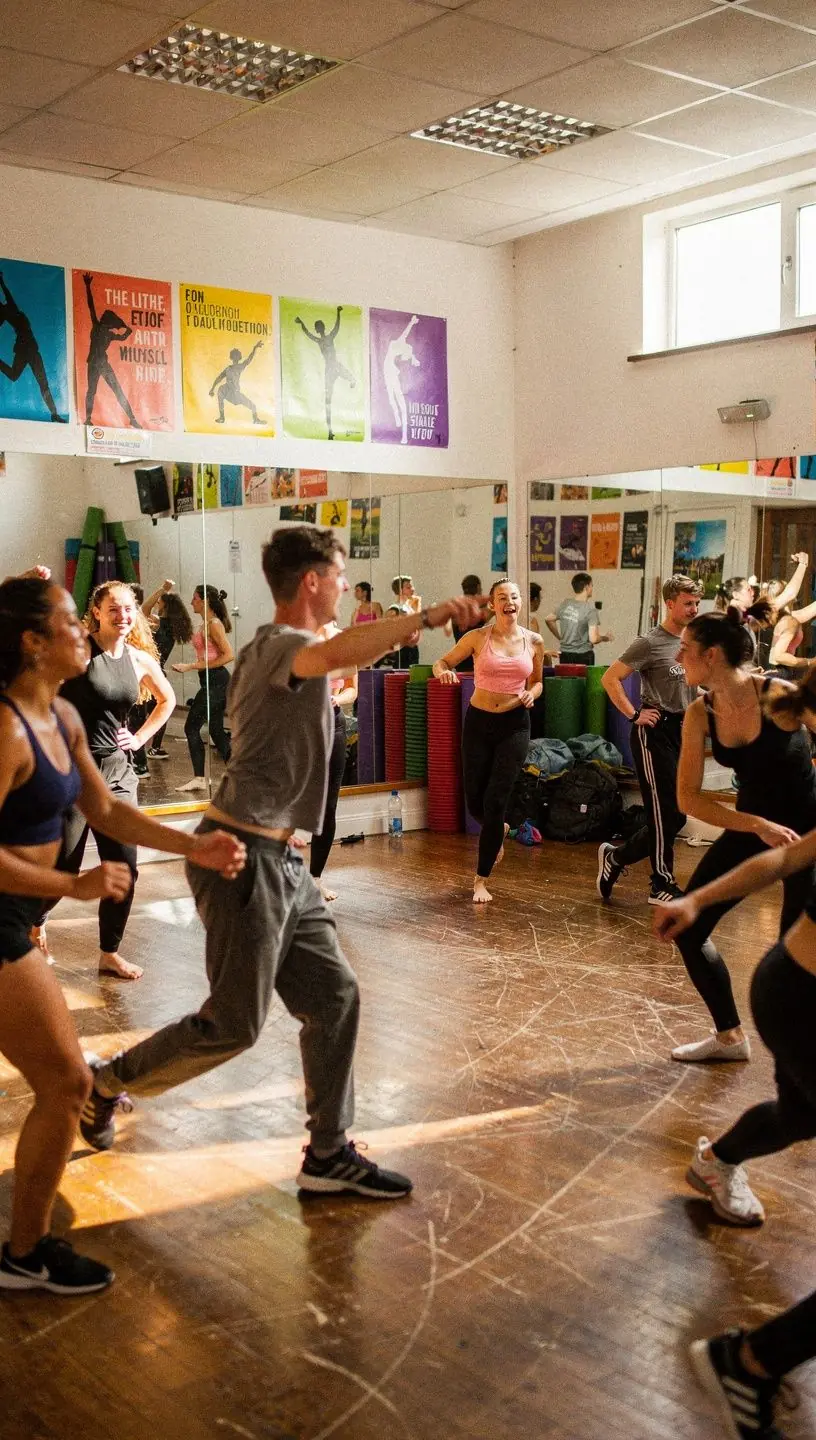
- Structured Coaching: Expert recommendations often suggest that structured coaching within dance can provide additional value, teaching participants not only the skills to dance but also enhancing their communication abilities through collaborative interactions.
The Psychological Benefits of Dance
The principles behind dance as a social networking tool are grounded in both psychological and social theories. For example, engaging in dance can:
- Enhance self-esteem: Many participants experience increased confidence as they learn new dance moves and receive positive feedback.
- Facilitate emotional expression: Dance allows individuals to express feelings that may be difficult to articulate verbally, creating a deeper level of connection with others.
- Improve cognitive function: Research indicates that dancing can improve memory and cognitive flexibility, which can be beneficial in both social settings and professional environments.
Realistic Expectations and Commitment
While the benefits of dance-based social networking are significant, it’s important to acknowledge the effort required to truly reap these rewards. Typically, participants may need to commit to regular attendance over a period of several weeks to experience noticeable improvements in social connections and personal development.
Furthermore, those new to dance may find it involves a learning curve. This can entail a time commitment ranging from two to four weeks before individuals feel fully comfortable within a group setting.
Conclusion
Engaging in dance-based social networking can provide numerous benefits, including enhanced social skills, improved mental health, and valuable community connections. By committing to regular participation and embracing the learning process, individuals can unlock a range of personal and professional development opportunities. Whether you’re a seasoned dancer or a beginner, taking the first step into a dance community can be a rewarding experience.