Understanding the Role of Structured Coaching in Dance-Based Social Networking
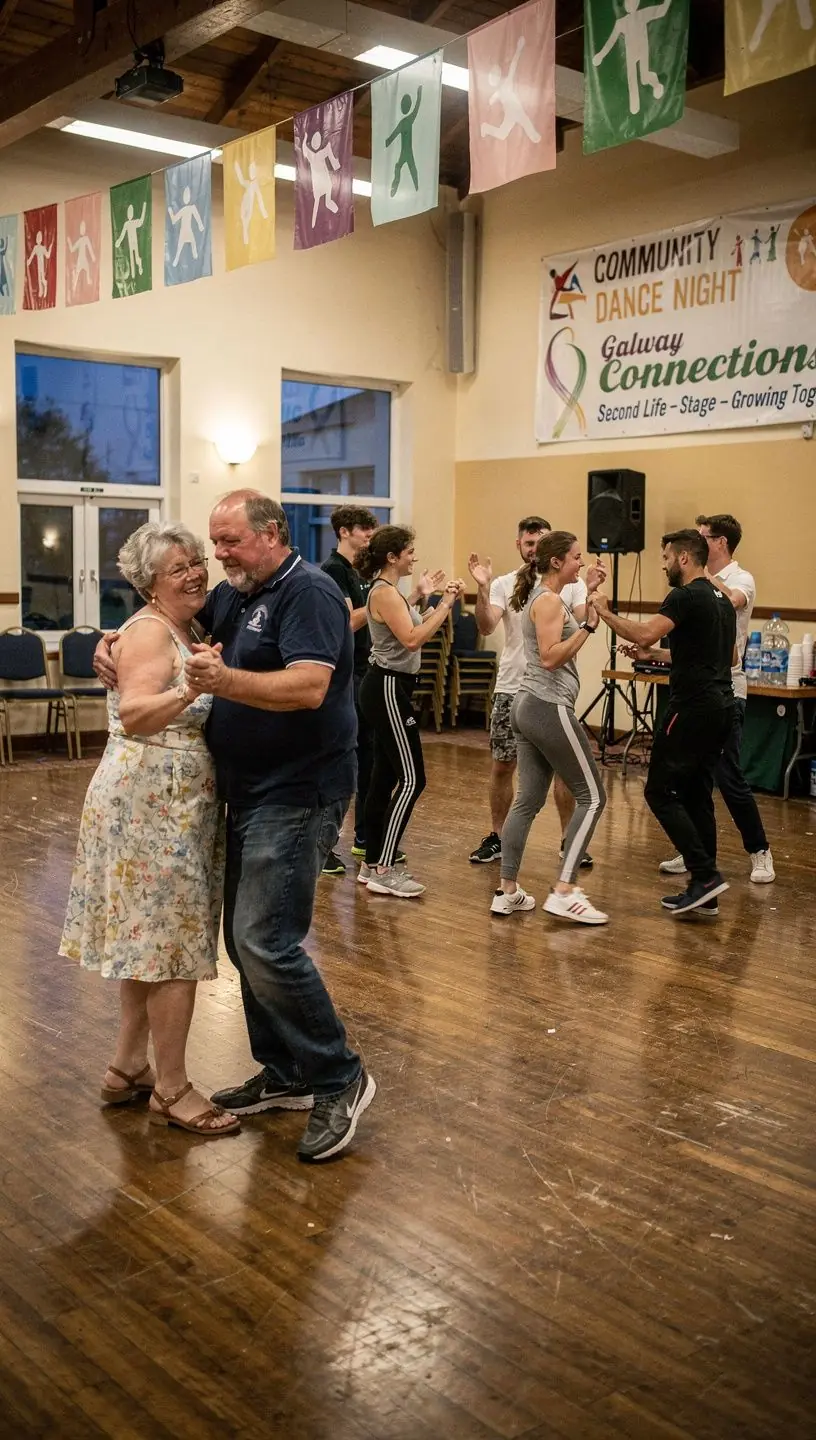
In the evolving landscape of dance and social interaction, structured coaching plays a critical role in enhancing personal growth and community engagement. This article explores the fundamentals of structured coaching and its significance in fostering a supportive environment for dance enthusiasts in Ireland.
The Basics of Structured Coaching
Structured coaching refers to a systematic approach to personal and professional development, often involving tailored guidance, feedback, and support from experienced mentors. According to studies published in the International Journal of Sports Science, structured coaching can significantly enhance learning outcomes by providing a clear framework for skill development. Experts recommend this approach for individuals seeking to improve their dance techniques and social skills within a community setting.
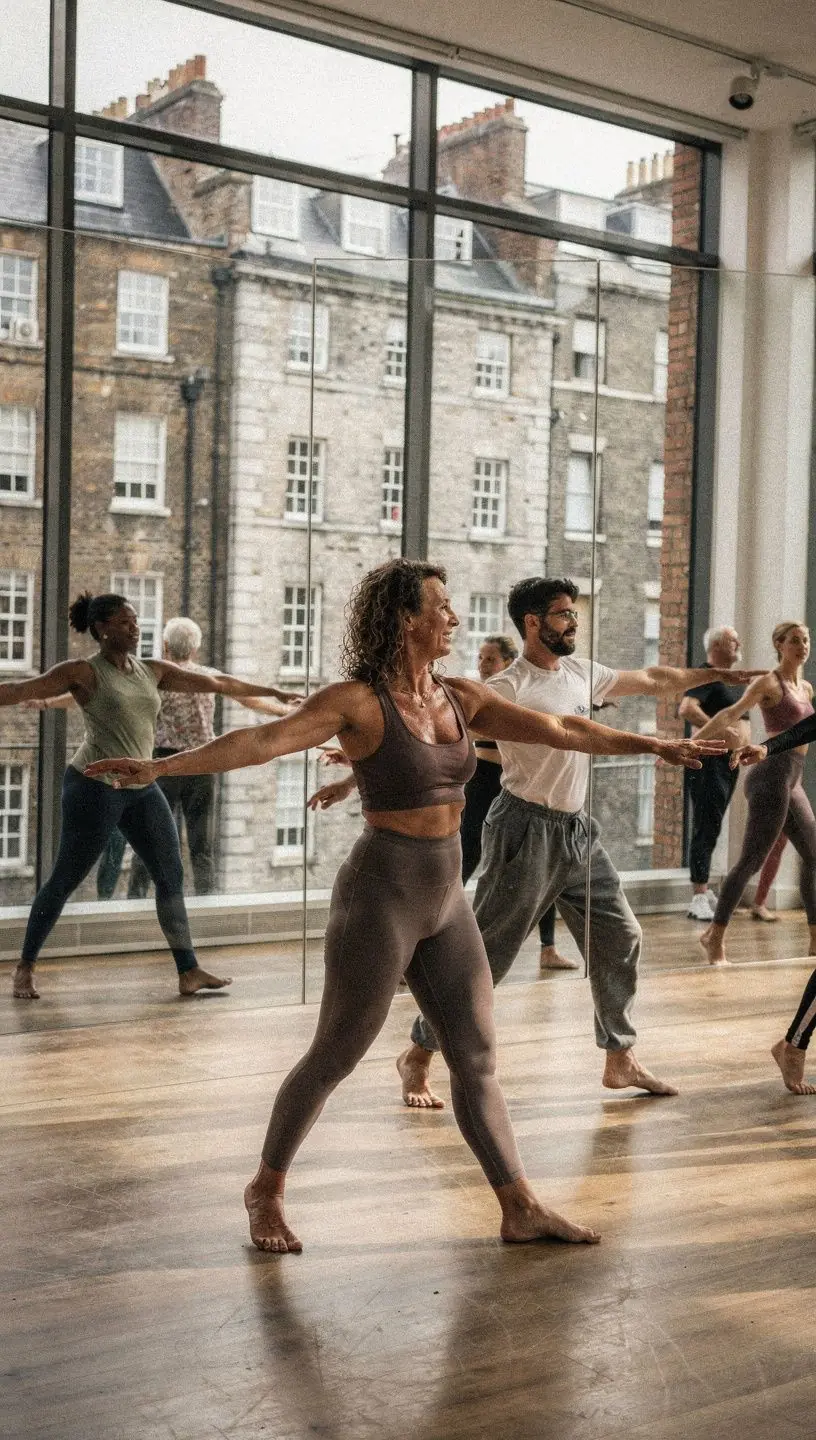
"Structured coaching not only improves technical abilities but also fosters a sense of belonging and community among participants," says Dr. Sarah McCarthy, a leading researcher in dance education.
How Structured Coaching Works
The methodology behind structured coaching typically involves several key components:
- Individual Assessment: Coaches assess each participant's current skill level and personal goals, which helps tailor the coaching process.
- Goal Setting: Together, participants and coaches establish realistic, achievable goals that focus on both technical skills and social interaction.
- Feedback Mechanism: Regular feedback sessions allow participants to track their progress and make necessary adjustments to their approach.
Benefits of Structured Coaching
Many users report various benefits from structured coaching in dance settings, including:
- Improved Skills: Participants often experience significant improvements in their dance techniques within a few months.
- Increased Confidence: By gaining skills and receiving positive reinforcement, individuals typically become more confident in their abilities.
- Enhanced Social Connections: Structured coaching fosters meaningful relationships among participants, creating a supportive community environment.
Limitations and Considerations
While structured coaching can be highly beneficial, it does come with certain limitations:
- The process usually requires a commitment of 2-4 weeks for participants to begin seeing notable results.
- It involves a learning curve; individuals need to be willing to invest time and effort into practice outside of coaching sessions.
- Structured coaching may not be suitable for everyone, particularly those who prefer a less formal approach to learning.
Conclusion
Structured coaching plays a vital role in enhancing the experience of dance enthusiasts, offering a reliable framework for skill development and social networking. By setting realistic goals and providing ongoing support, structured coaching can be an effective strategy in the pursuit of personal and communal growth. As you consider joining a coaching program, remember to evaluate your commitment and readiness to engage fully in the process for the best results.