Creating a Supportive Environment in Second Life Stage Development Hubs
In the realm of Second Life stage development hubs, fostering a supportive environment can significantly enhance participants' experiences and outcomes. Establishing such an atmosphere is critical, especially for those engaging in dance-based social networking events.
Understanding the Importance of a Supportive Environment
Creating a supportive environment is essential for participant engagement and overall success in development hubs. According to studies, environments that promote inclusivity and encouragement can lead to increased creativity and collaboration among participants. This is especially relevant in creative spaces where individuals are often vulnerable while sharing their skills and talents.
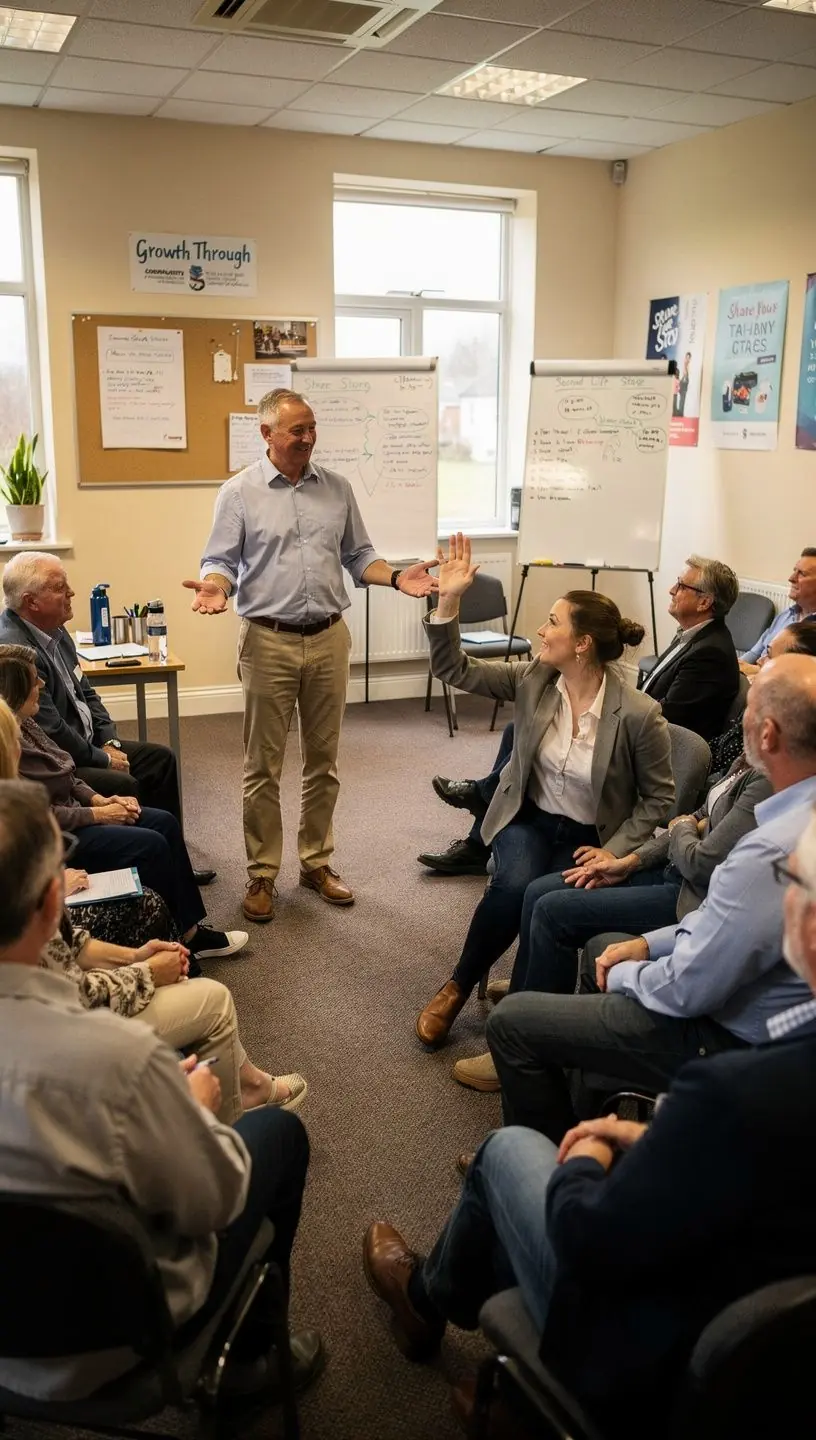
"A supportive community fosters trust and encourages individuals to step outside their comfort zones, which can lead to personal growth and skill enhancement."
Key Elements of a Supportive Hub
To cultivate a nurturing environment, consider the following elements:
- Open Communication: Establishing clear lines of communication encourages participants to share their thoughts and feedback. Research indicates that open dialogue can lead to improved group dynamics and participant satisfaction.
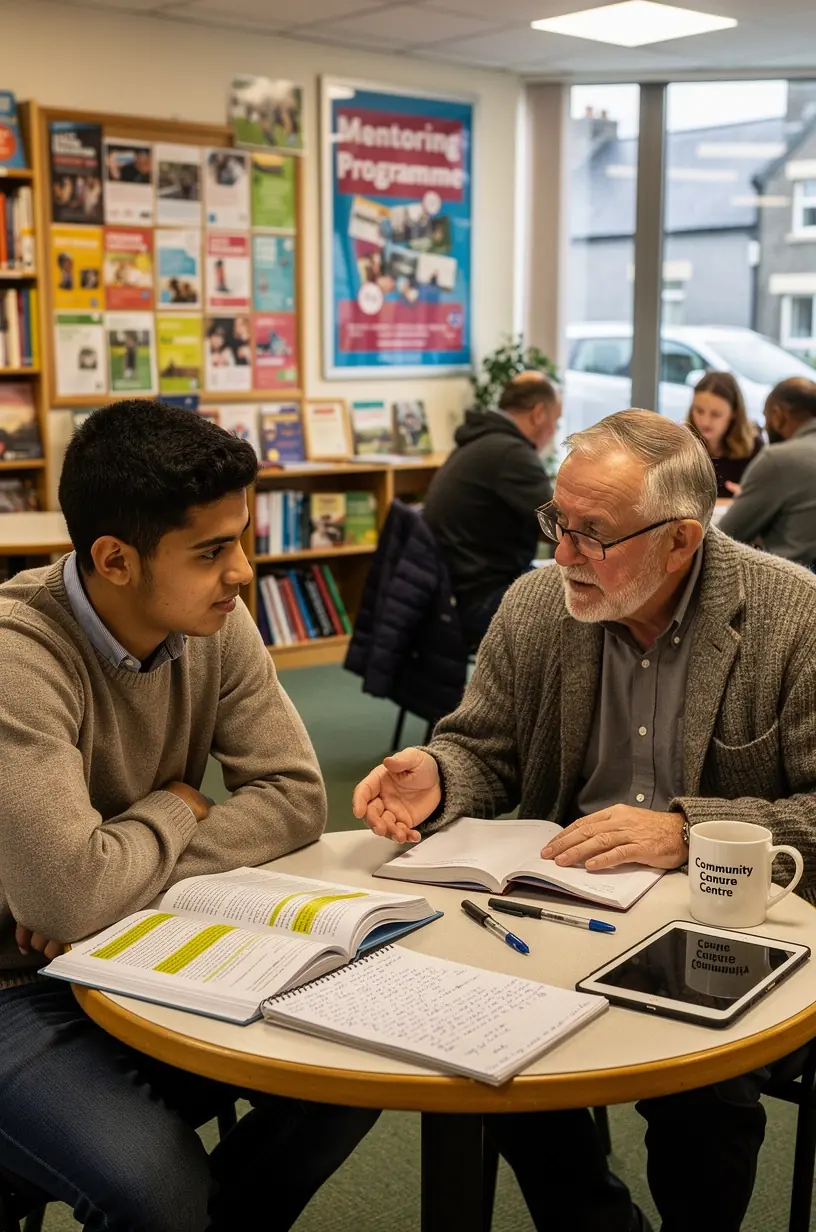
- Structured Coaching: Implementing structured coaching sessions can provide tailored guidance. Experts recommend that these sessions should involve constructive feedback to help participants understand areas for improvement and strengths.
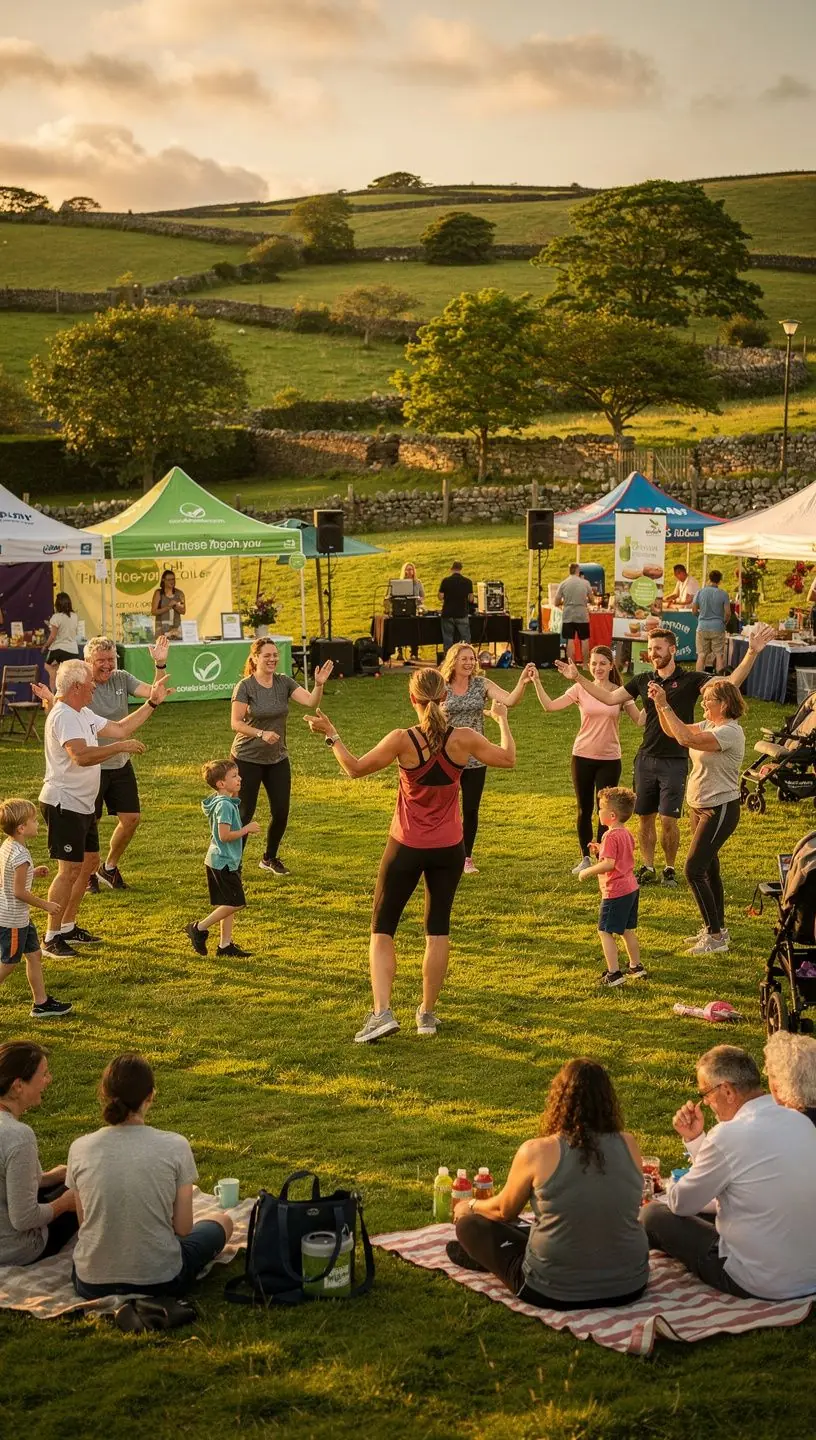
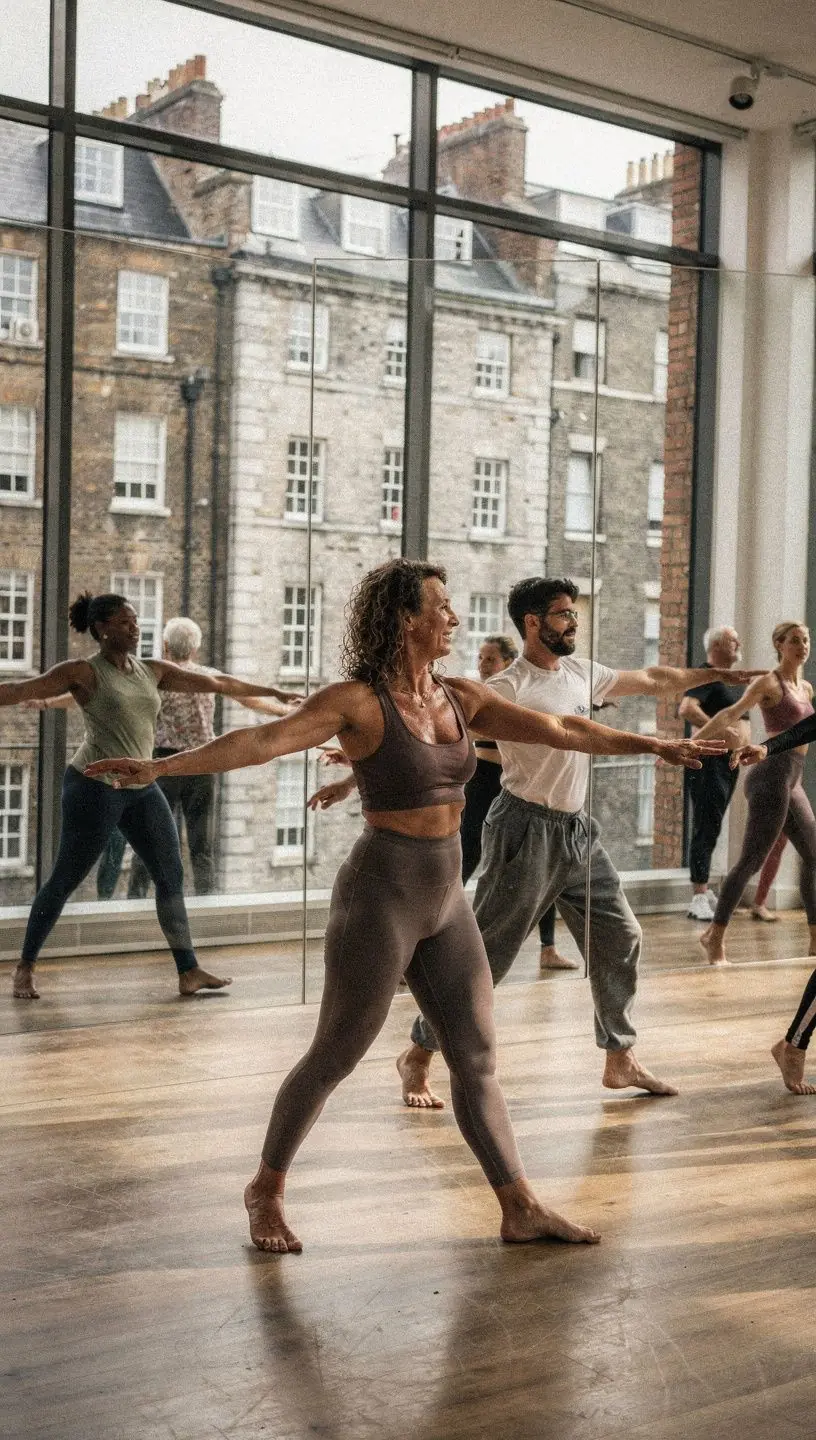
- Community Building Activities: Engaging in social events, such as dance-based meetups, can strengthen community bonds. Many users report that these events create lasting friendships and collaborative opportunities.
Best Practices for Implementation
While the goal is to create a welcoming environment, it is important to acknowledge the effort required from both organizers and participants. Here are some best practices:
- Set Realistic Expectations: Clearly communicate what participants can expect regarding skill development and community engagement. For instance, results may typically take 3-6 months to manifest, depending on individual commitment levels.
- Encourage Feedback: Regularly solicit feedback from participants to gauge the effectiveness of the supportive measures in place. Adjustments based on this feedback can enhance the overall experience.
- Be Inclusive: Consider incorporating diverse activities that cater to different skill levels and backgrounds. This inclusivity works best when it reflects the community's needs and interests.
Conclusion
Establishing a supportive environment in Second Life stage development hubs is a multifaceted process that requires dedication and ongoing effort. By promoting open communication, structured coaching, and community engagement, organizers can create a space that is both nurturing and productive. Remember, while these approaches can significantly improve participant experiences, they also require commitment and adaptability. In most cases, a well-supported environment leads to improved outcomes, fostering a community where individuals can thrive.
Learn More