Strategies for Effective Coaching in Development
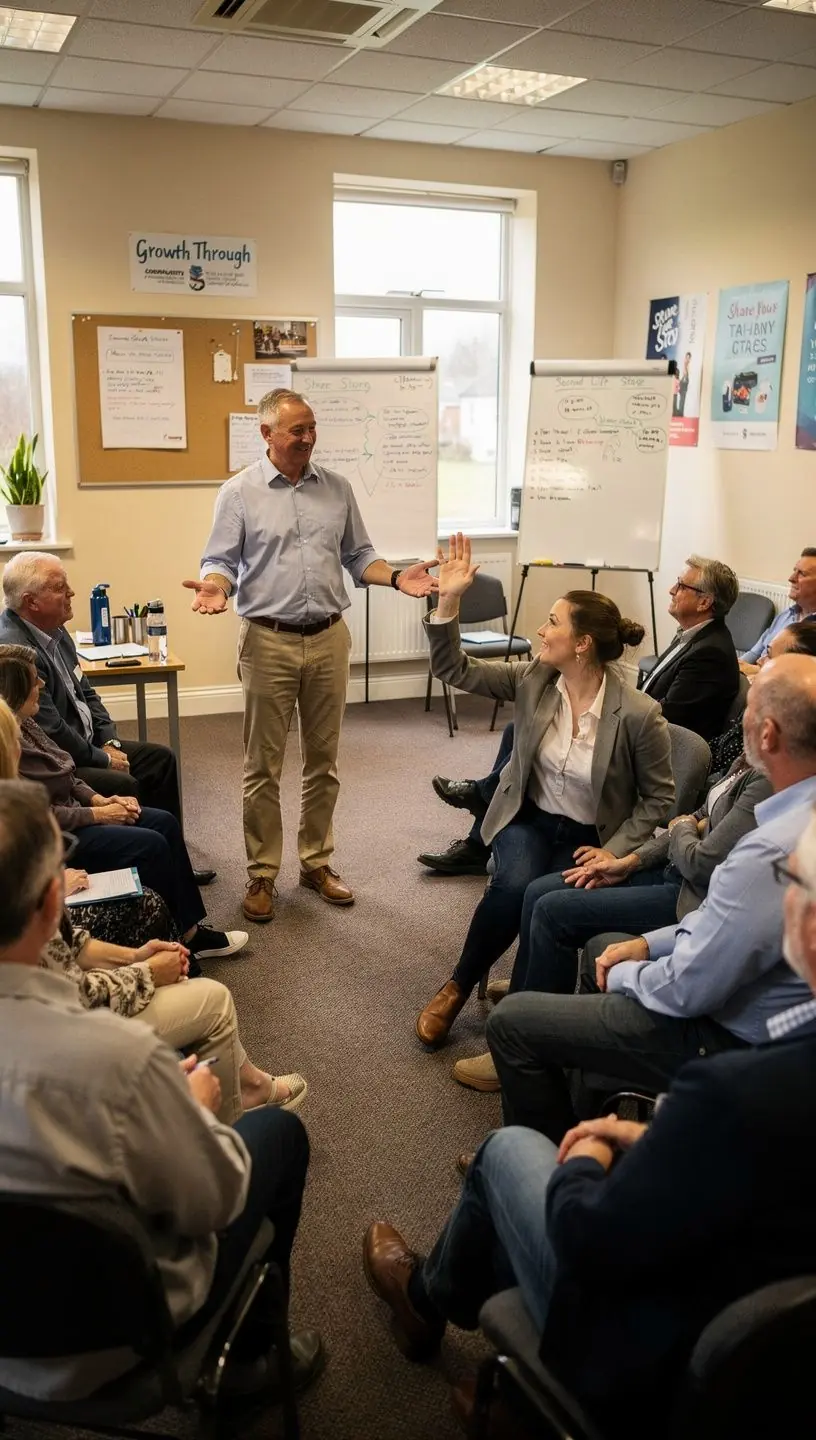
In the realm of second life stage development hubs, effective coaching can foster significant improvements in personal and professional growth. This article explores strategies that have proven effective in various contexts, especially during offline dance-based social networking events.
Understanding the Basics
Effective coaching is fundamentally about providing structured support and guidance to individuals striving to enhance their skills and achieve their goals. According to research published in the International Journal of Evidence-Based Coaching and Mentoring, effective coaching can yield performance improvements of up to 25%. This works because it encourages accountability and facilitates the development of critical thinking skills.

"Coaching is not about providing answers but about enabling individuals to find solutions themselves." - Industry Expert
Key Strategies for Effective Coaching
- Establish Clear Goals: Setting specific, measurable, achievable, relevant, and time-bound (SMART) goals is fundamental. Studies show that individuals who set clear objectives are significantly more likely to make progress.
- Implement Structured Feedback Loops: Regular feedback is crucial for improvement. According to experts, implementing feedback loops, where individuals receive constructive criticism and encouragement, can enhance learning and performance over time.
- Encourage Peer Collaboration: In a social setting, peer-to-peer learning often enhances understanding. Many users report that collaborating with peers leads to richer discussions and solutions, making the learning experience more engaging and effective.
Overcoming Challenges
While these strategies can lead to effective coaching outcomes, it is important to acknowledge potential challenges. For instance, establishing trust within a group typically takes time and may require 2-4 initial sessions. Additionally, some participants may struggle with the learning curve associated with new techniques or concepts. Coaching may work best when participants have some prior knowledge of the skills being addressed.
Conclusion
In conclusion, employing structured coaching strategies within second life stage development hubs can significantly enhance the effectiveness of skill development processes. By setting clear goals, facilitating structured feedback, and promoting peer collaboration, individuals can cultivate a supportive learning environment. Remember that while these approaches can lead to progress, each participant's journey is unique, and results may vary based on individual commitment and prior experience.