How to Balance Personal and Group Dynamics in Dance-Based Events
Navigating the balance between personal and group dynamics is essential for a successful experience in dance-based social networking events. This article explores effective strategies and insights to help participants engage fully while respecting individual boundaries.
Understanding the Importance of Balance
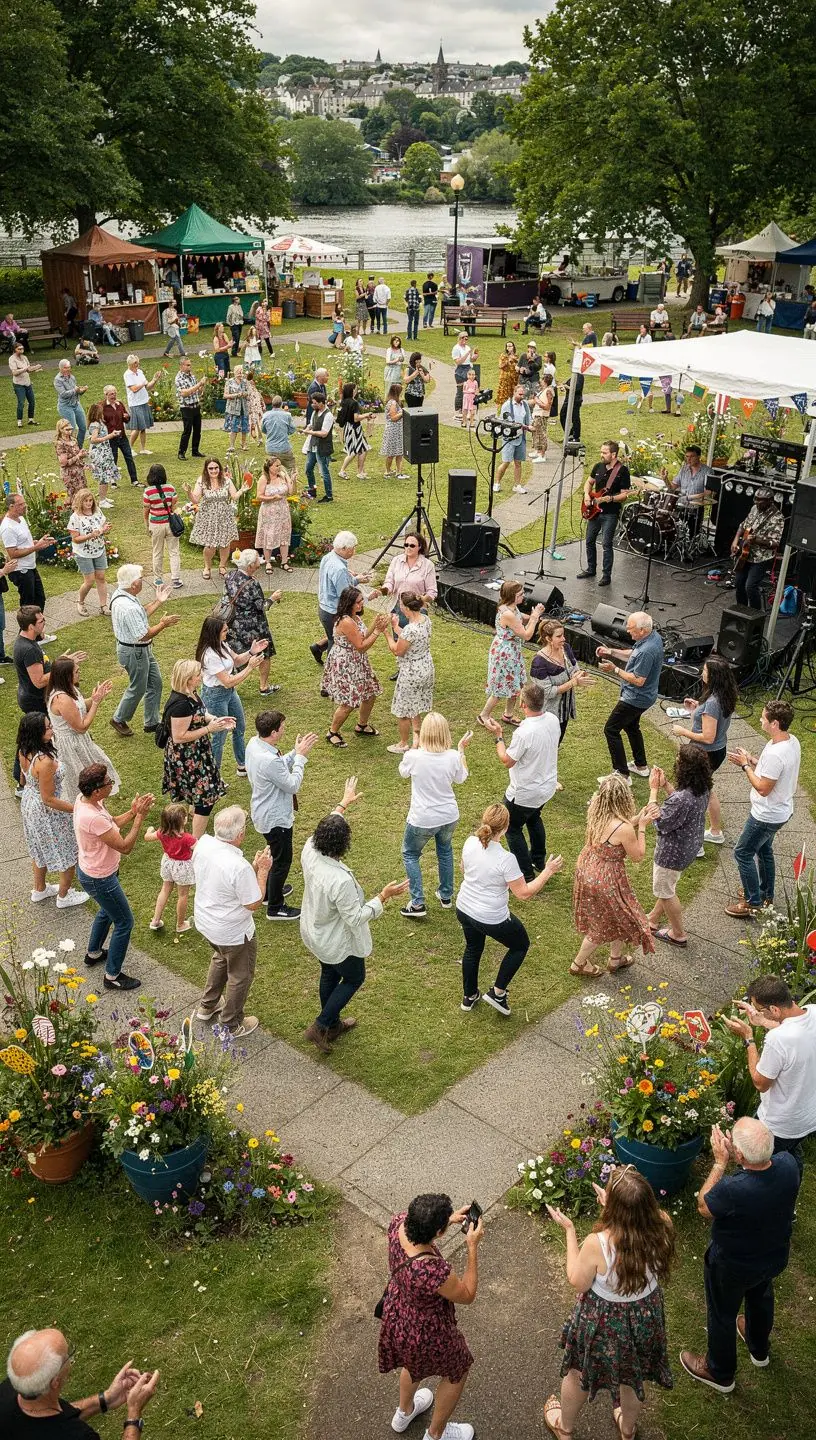
In dance-based environments, such as those found in structured coaching hubs, personal expression is often intertwined with group interaction. According to psychological studies, maintaining a balance between these dynamics can enhance overall satisfaction and participation rates. This is particularly relevant in group activities, where the synergy between individual creativity and collective rhythm is crucial.
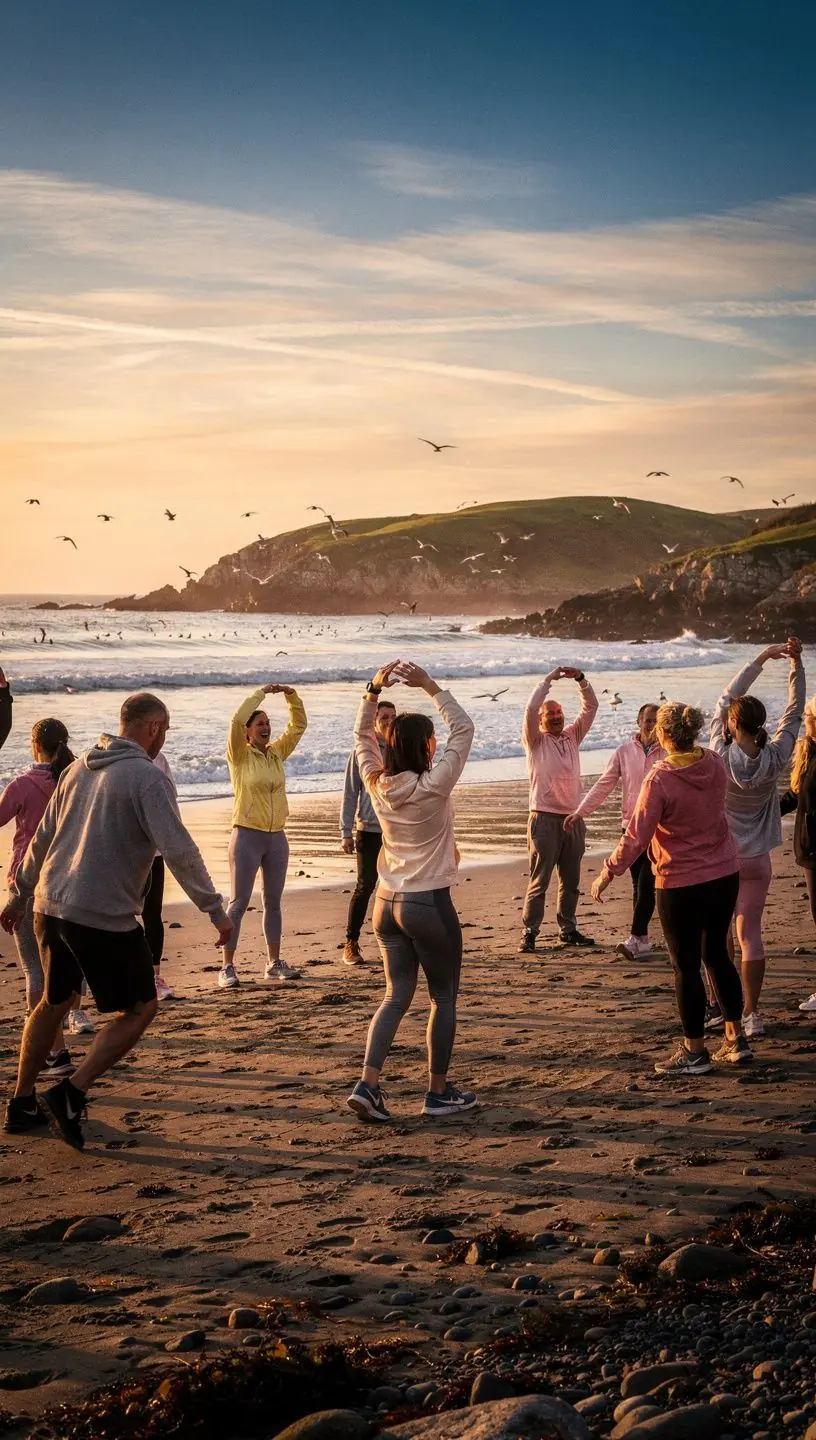
"Finding harmony between personal expression and group dynamics is key to fostering a vibrant dance community."
Strategies for Achieving Balance
Here are some practical approaches to help you balance personal and group dynamics effectively:
- Set Clear Expectations: Prior to events, communicate the goals and structure clearly. Research suggests that participants perform better when they understand the expected outcomes and their role within the group.
- Encourage Individual Expression: Create opportunities for solo performances or improvisation within the group setting. Experts recommend that allowing personal creativity can lead to a more engaged community, where everyone feels valued.
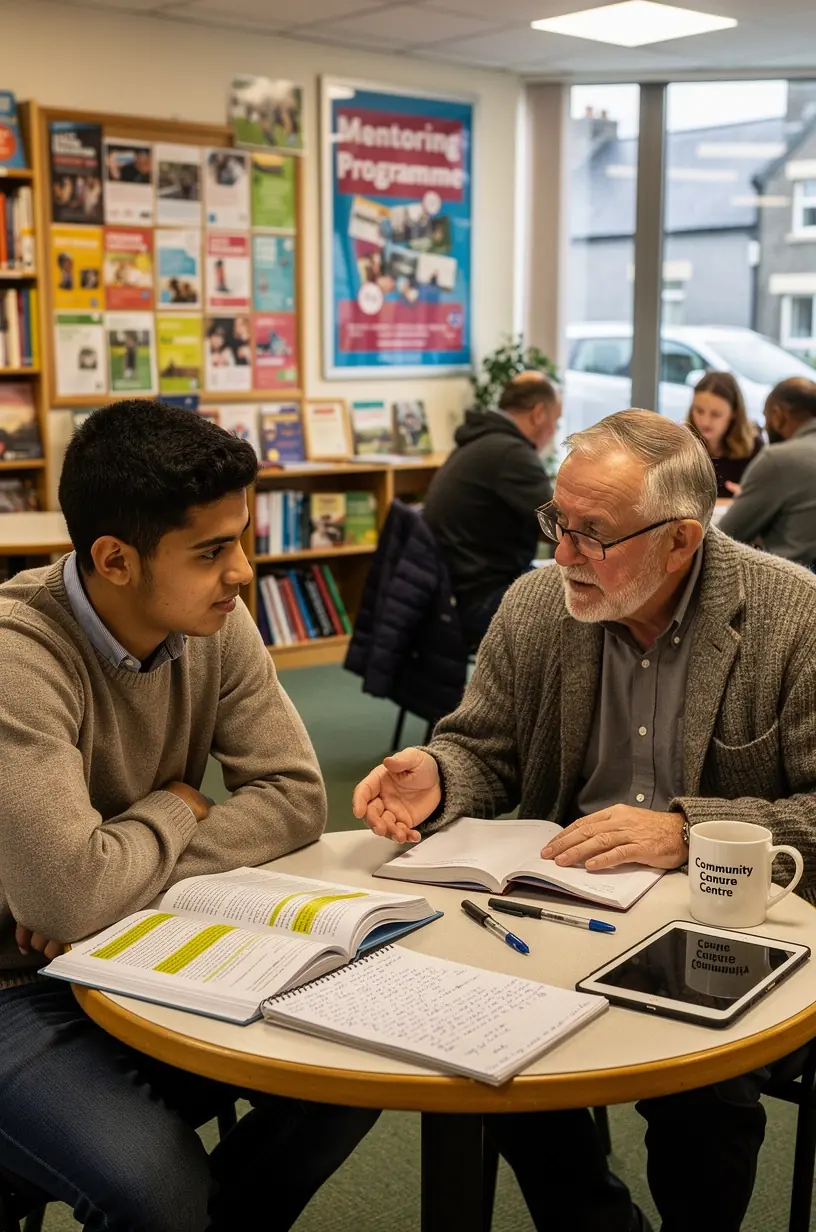
- Facilitate Open Communication: Foster an environment where members can express their needs and concerns. Studies indicate that open dialogue enhances trust and collaboration, which are essential for a cohesive group dynamic.
Implementing Group Dynamics in Practice
To effectively implement these strategies, consider the following steps:
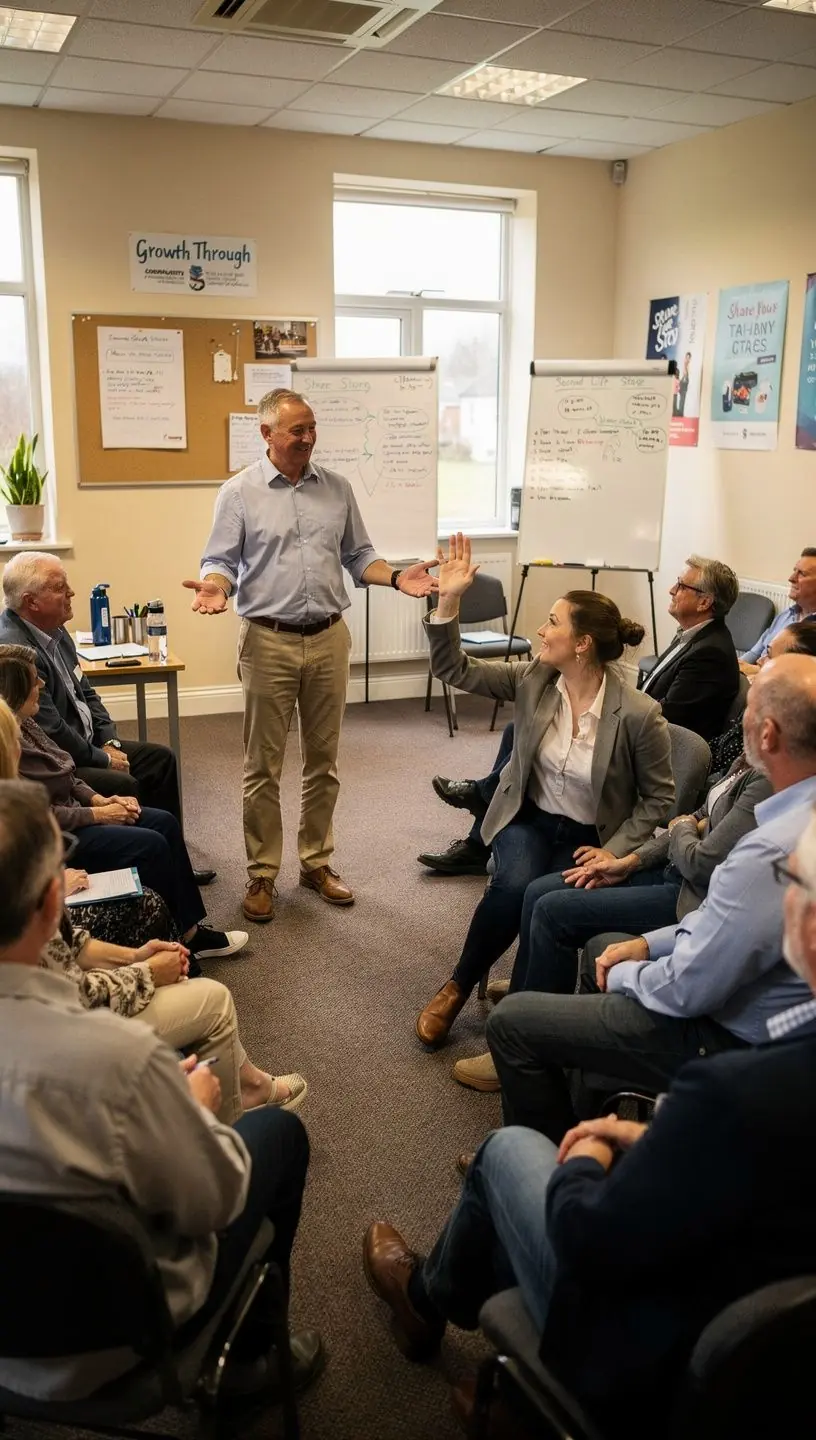
- Regular Check-Ins: Schedule periodic group discussions where participants can share their experiences and feelings. This typically takes about 10-15 minutes at the end of each session, allowing for reflective insights.
- Balance Structured and Free-Form Sessions: Incorporate both guided choreography and free dance time in your events. Research shows that this blend can enhance creativity while still providing a framework for participants to connect.
- Provide Constructive Feedback: Encourage an environment of supportive critique. This involves sharing observations without undermining personal choices, which studies suggest can lead to improved group cohesion.
Acknowledging Limitations
While these strategies can significantly improve dynamics, they also come with challenges. Transitioning to a more balanced approach may require time and patience, often taking several weeks for the group to adjust to new practices. Additionally, these methods may not be suitable for every group, especially those with varying levels of experience or differing motivations.
Conclusion
Balancing personal and group dynamics in dance-based environments is a nuanced process that requires thoughtful implementation of strategies. By setting clear expectations, encouraging individual expression, and facilitating open communication, dance hubs can create an inclusive atmosphere that promotes both personal creativity and collective joy. Remember, results typically manifest over time, and each group's journey will be unique.
Learn More