Exploring Coaching Methodologies in Second Life
In the evolving virtual landscape of Second Life, structured coaching methodologies can play a pivotal role in enhancing both personal development and community engagement. This article delves into effective coaching strategies within this vibrant online environment.
Understanding Coaching in Virtual Spaces
Coaching within virtual environments like Second Life often incorporates various methodologies that can enhance user engagement and learning outcomes. According to research on virtual coaching, these environments provide unique opportunities for immersive learning experiences, which can significantly improve retention and application of skills.

"Virtual coaching environments can lead to enhanced user satisfaction and skills development, according to studies in online learning frameworks."
Key Coaching Methodologies
Several coaching methodologies can be effectively applied in Second Life, each offering distinct benefits:
- Solution-Focused Coaching: This approach helps clients identify their goals and the steps necessary to achieve them. Many users report that focusing on solutions rather than problems leads to quicker progress.
- Experiential Learning: This method leverages real-time interactions and simulations within Second Life. Research indicates that experiential learning enhances understanding by allowing users to practice skills in a safe environment.
- Peer Coaching: Involving community members in the coaching process can foster connections and encourage social networking, which is crucial in a platform that emphasizes community interaction.
Practical Application of Coaching Strategies
Implementing these methodologies requires both time and commitment. Here are some actionable steps for effective coaching in Second Life:
- Set Clear Goals: Establish specific, measurable objectives for your coaching sessions. This typically involves an initial assessment to understand the coachee's needs.
- Leverage Virtual Simulations: Utilize the interactive features of Second Life to create realistic scenarios where users can practice skills. This process may take time to set up but can yield significant benefits.
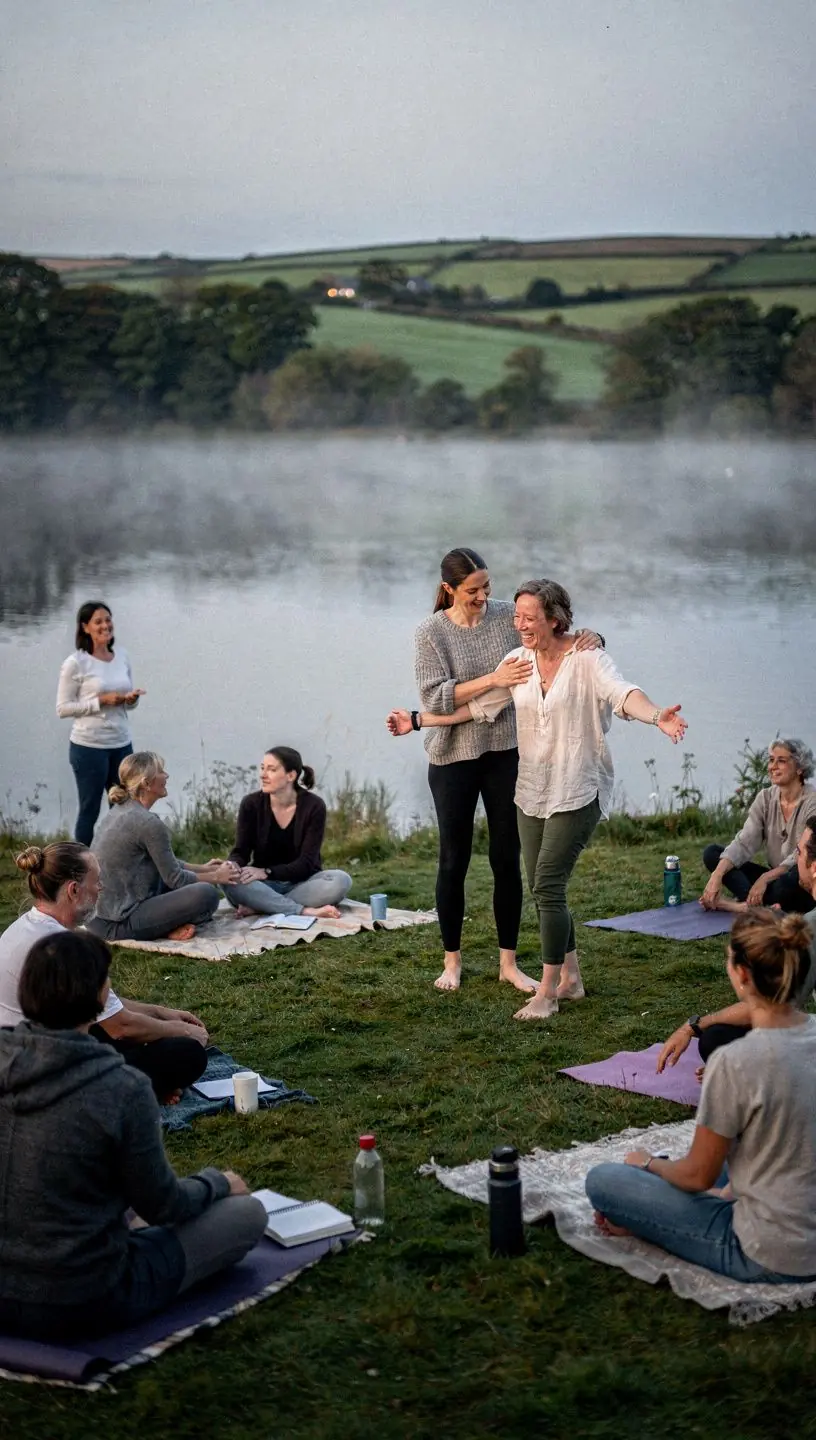
- Foster Community Engagement: Encourage participation in offline dance-based social events to strengthen community ties. Many experts recommend that such interactions enhance the overall coaching experience by building trust and rapport.
Challenges and Considerations
While coaching in Second Life can be beneficial, it's essential to acknowledge some limitations:
- The learning curve associated with navigating virtual environments may deter some users. Typically, individuals need a few sessions to become comfortable.
- Effective coaching may require a regular time commitment, often suggesting at least one session per week for optimal results.
- These methodologies work best when participants are genuinely motivated to engage in personal development, highlighting the importance of self-motivation.
Conclusion
In summary, coaching methodologies in Second Life can offer unique opportunities for personal and community growth. By understanding different approaches and implementing them effectively, users can improve their skills and enhance their social interactions. However, it's crucial to set realistic expectations regarding the time and effort required for success. With the right mindset and strategies, the virtual world of Second Life can become a powerful platform for development and connection.
Learn More